
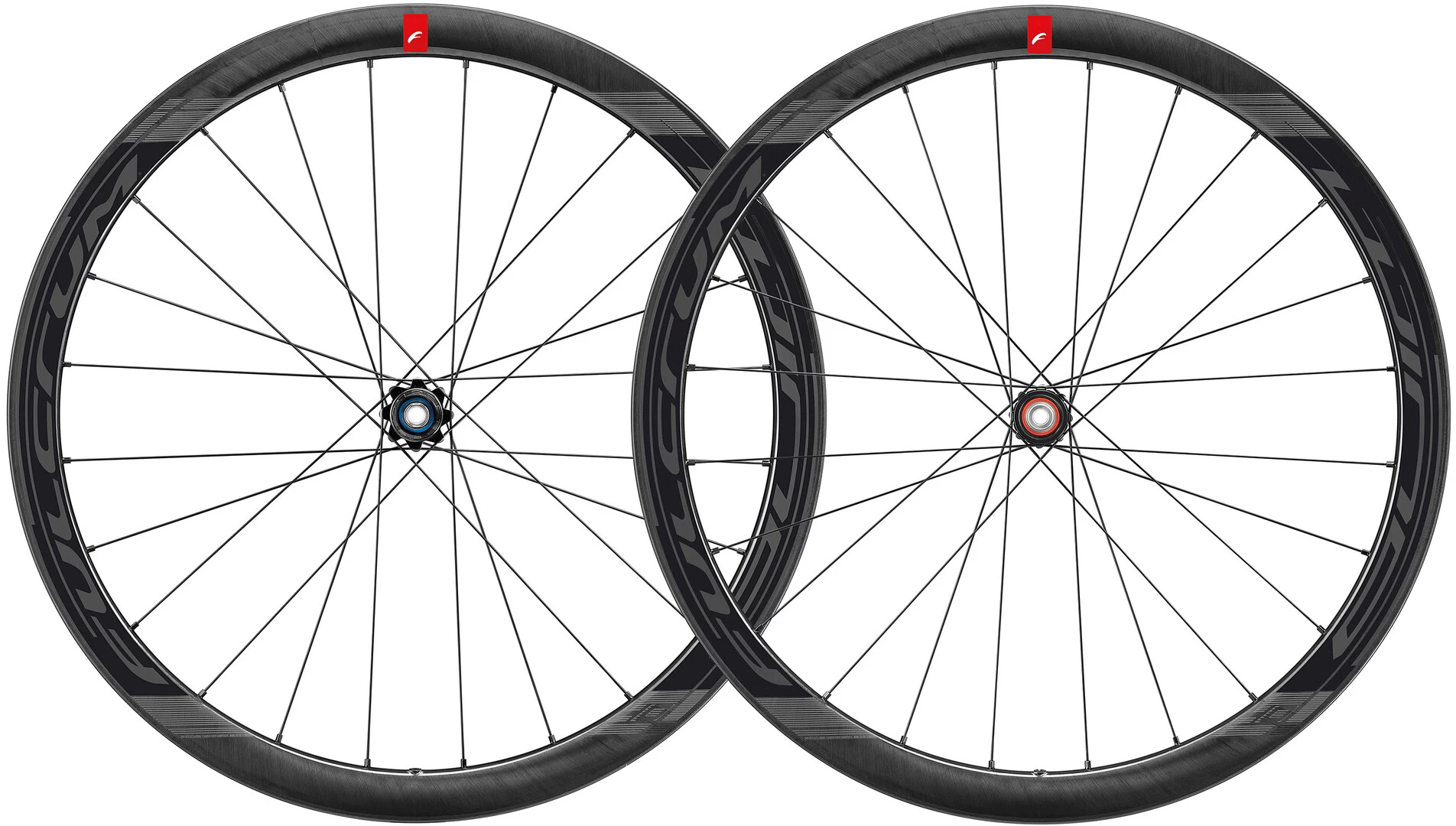
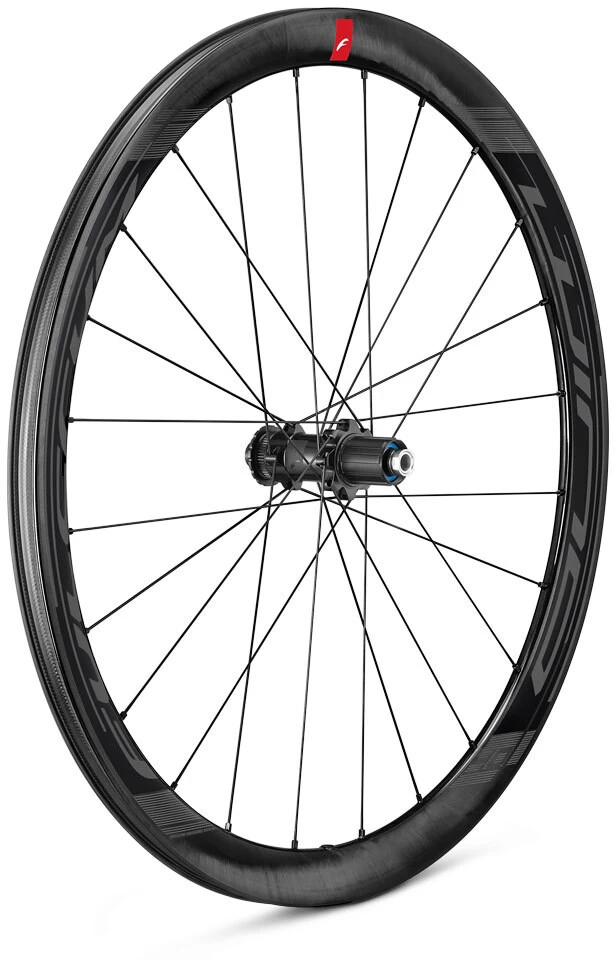
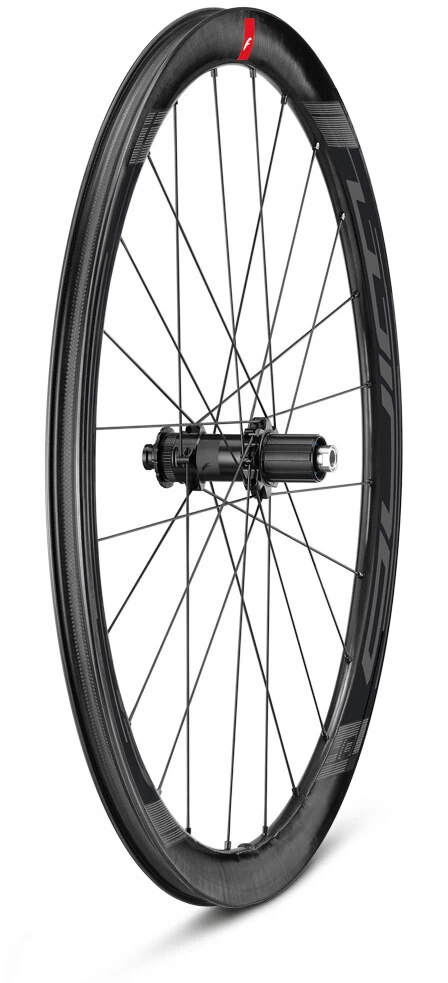
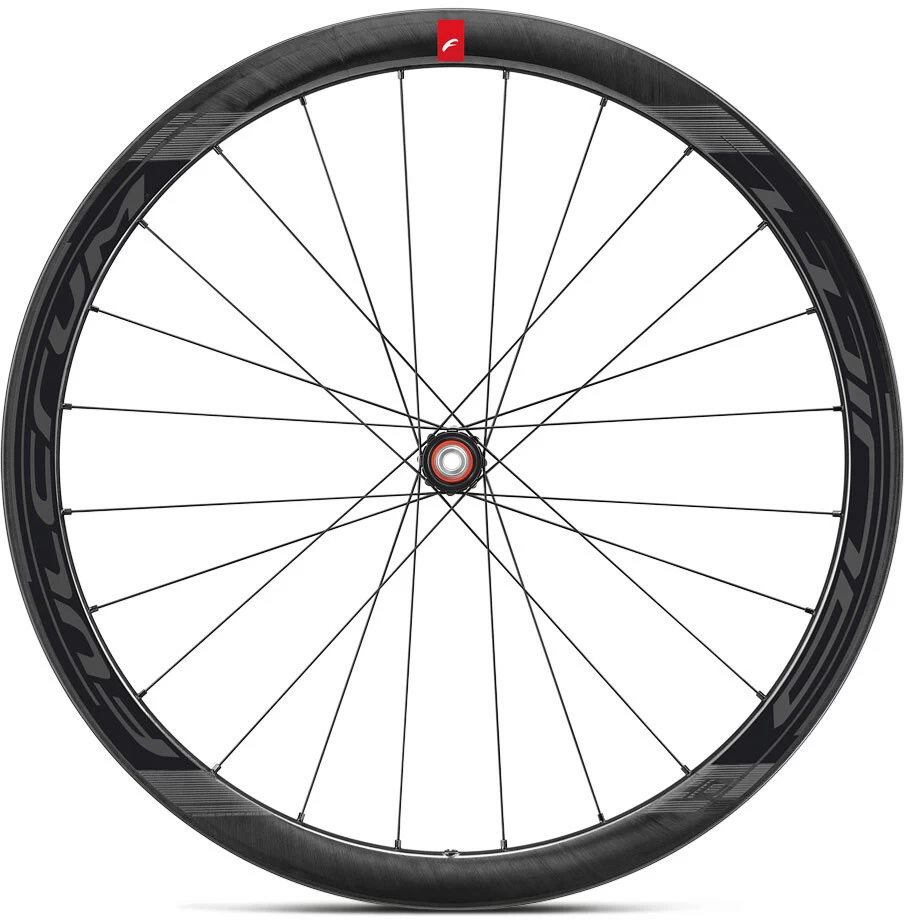
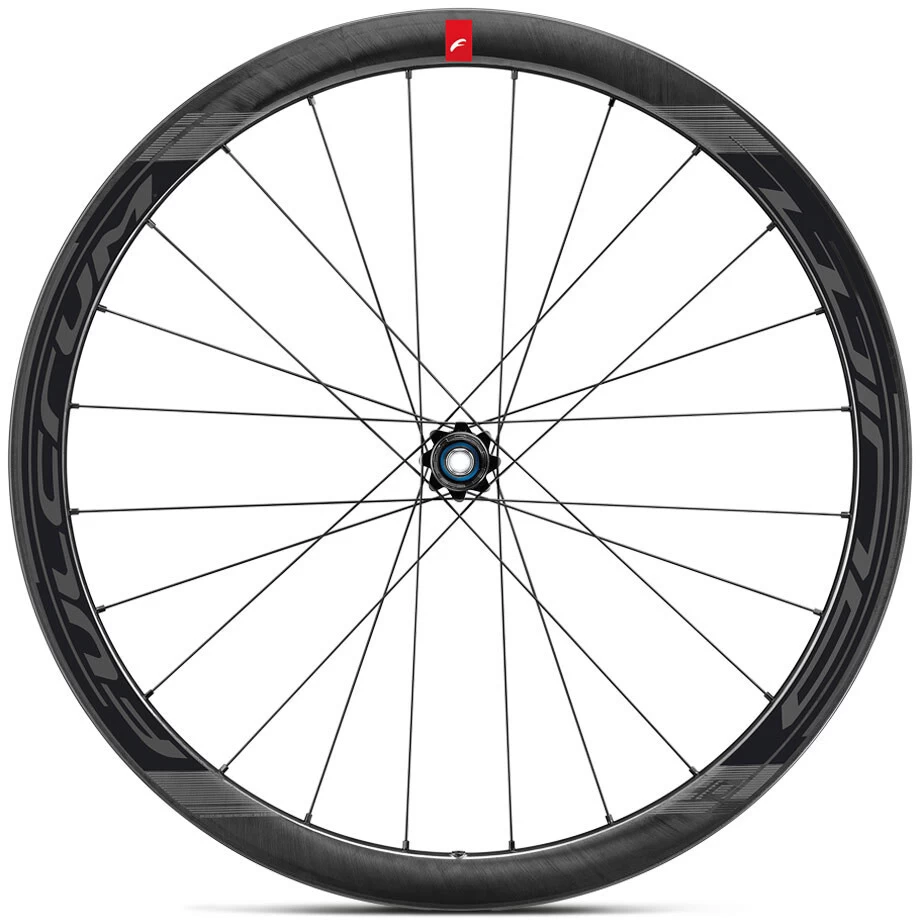
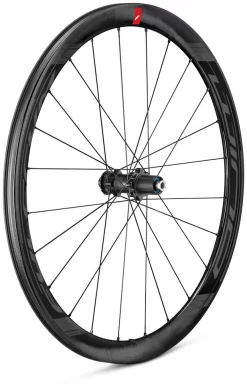
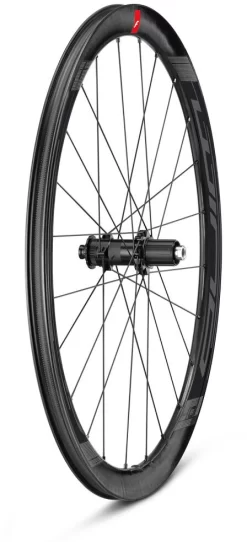
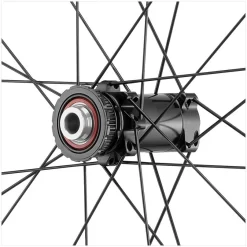
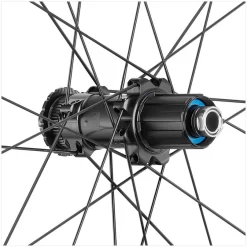
Fulcrum Wind 40 DB Wheelset Road 28" HG 8-11-speed Clincher TL Black
$96.99
- Discover a world of quality products.
- The Quality Choice for Smart Shoppers
- Multiple safe payment methods
- Uncompromising quality, every time.

Wind 40 DB originates from the synthesis between aerodynamics and versatility.
Of course, it should be noted that the design of the 40 mm rim is derived directly from the 55 mm profile: The solutions developed for the higher profile have been fully adopted in this less specialised version. 40 mm makes for a light rim, built with layers of modern unidirectional carbon fibre, wide and with a pronounced rim flange (8 mm radius): innovative shapes that form a single unit with the tyre, allowing the air flow acting on the rotating wheel to pass through, thus avoiding turbulence.
40 mm also means versatility, a height that is very popular with cyclists looking for a balanced, stiff, agile and precise wheel with excellent characteristics on climbs.
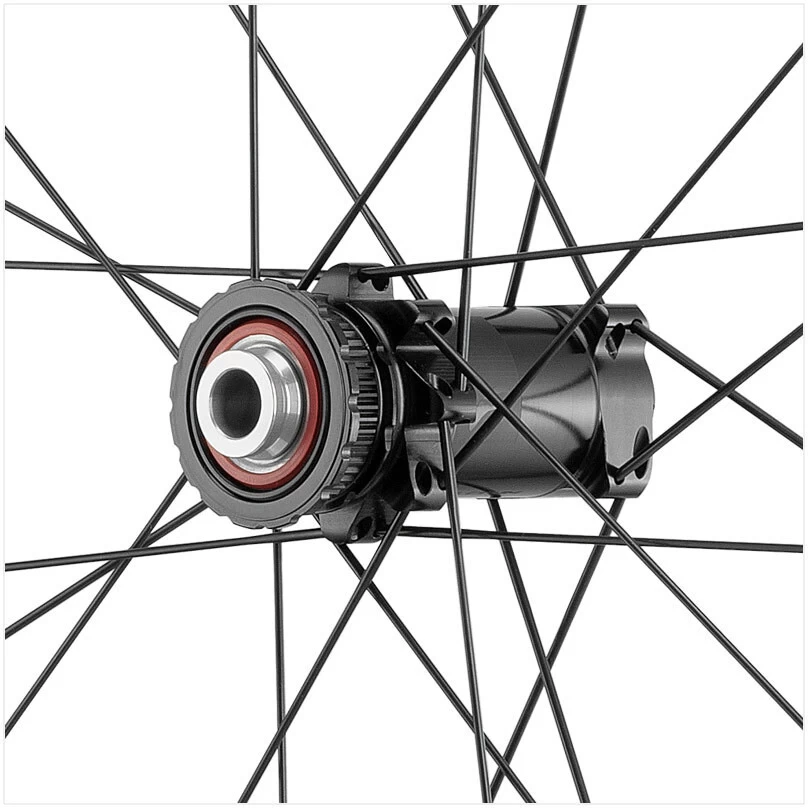
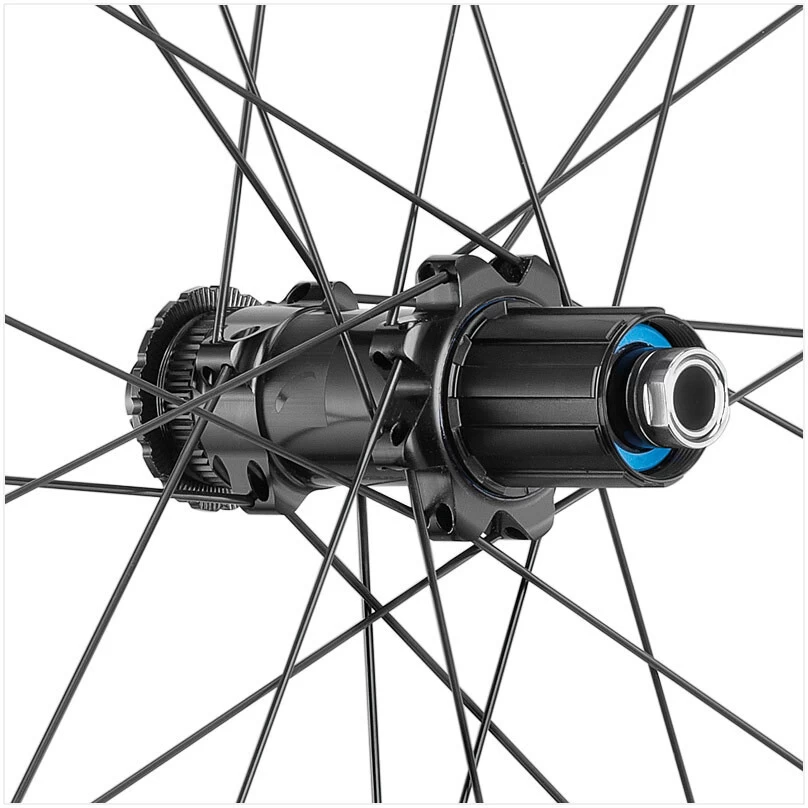
The system also features CNC machined aluminium hubs on which the 24 straight pull spokes are mounted. It ensures the high rigidity of the assembly, both during acceleration and braking, without being affected by the asymmetrical design of the disc and cassette.
Without a doubt, Wind 40 DB is a polyvalent wheel with particular attention to aerodynamics, allowing high speeds on climbs, flats and descents.
2-Way fit
Tubeless technology was first applied to the automotive sector, then to motorbikes and finally to cycle racing. After entering the MTB world, the moment has now come for its use on the road: And that’s what they offer you now! They have developed the 2-Way Fit technology to guarantee the perfect compatibility of tubeless rims also with normal clincher tyres and tubes. 2-Way Fit wheels are particularly versatile and therefore perfectly suited to any situation.
RDB Rim Dynamic Balance
The concept is simple and ingenious: balance the mass of the rim joint with an equal-value mass positioned exactly opposite.
Anti-Rotation System
This new system takes the concept of the lacing system to a new level of performance.
Fulcrum’s technicians have redesigned the spokes and the hub shells to create a solid and solid unit. In this way, the spokes
a) they never lose their initial tension, keeping the wheel perfectly responsive and centred, and
b) that they remain in the position developed in the wind tunnel to ensure the best possible aerodynamics.
Be the first to review “Fulcrum Wind 40 DB Wheelset Road 28" HG 8-11-speed Clincher TL Black”
Related products
Road Front Wheels
Road Wheel Sets
Fulcrum E-Racing 4 DB C22 Road/Gravel Wheelset 28" HG 8-11-speed Disc CL Clincher TLR Black
Road Front Wheels
Road Front Wheels
Road Front Wheels
Shimano Road WH-RS100-CL Wheel Front QR 100mm Rim Brake Black
Reviews
There are no reviews yet.